

Introduction
Sterilization services play a crucial role in healthcare, laboratories, and industries that require strict hygiene standards. Maximizing efficiency in sterilization processes ensures patient safety, regulatory compliance, and cost-effectiveness. This article explores key strategies to enhance efficiency in sterilization services through advanced technology, workflow optimization, and resource management.
1. Leveraging Technology
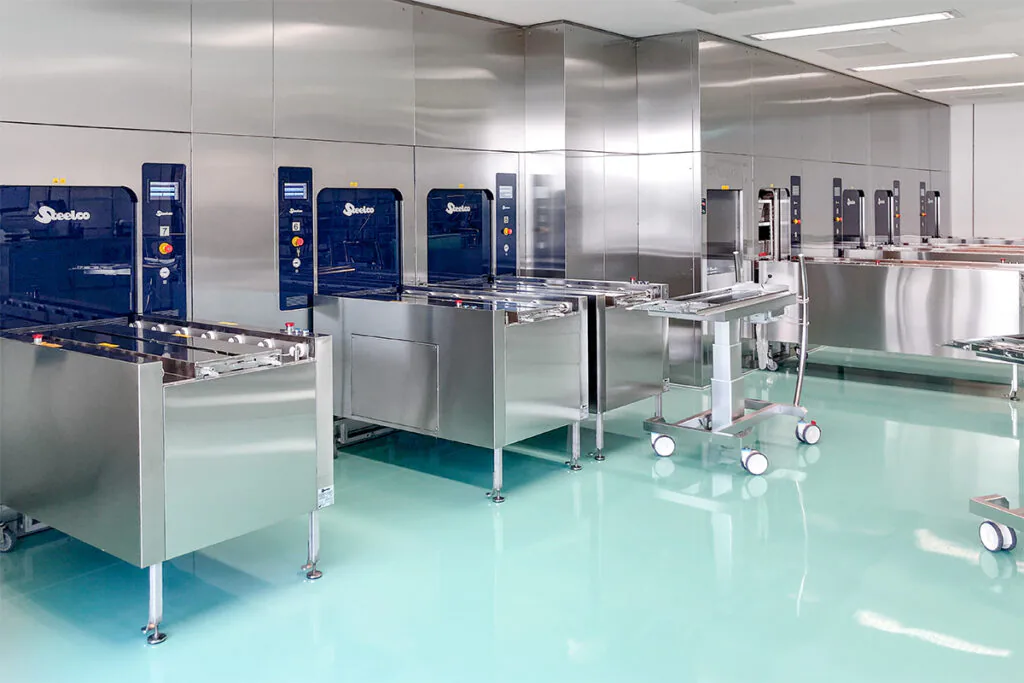
- Automated Sterilizers: Reduce processing time and enhance consistency.
- Smart Sensors & AI: Monitor temperature, pressure, and cycle completion for optimal performance.
- RFID & Barcode Tracking: Improves inventory management and ensures traceability.
- Remote Monitoring Systems: Allow real-time oversight and predictive maintenance.
2. Optimizing Workflow
- Standardized Sterilization Protocols: Ensure consistency and regulatory compliance.
- Lean Facility Design: Reduces cross-contamination risks and enhances throughput.
- Automated Load Management: Balances sterilization loads efficiently to minimize downtime.
- Real-Time Performance Analytics: Identifies bottlenecks and streamlines processes.
3. Resource & Energy Management
- Water & Steam Recycling Systems: Reduces consumption and operational costs.
- Energy-Efficient Sterilization Equipment: Lowers electricity usage without compromising effectiveness.
- Optimized Chemical Use: Prevents excess consumption while ensuring sterilization effectiveness.
- Scheduled Maintenance Programs: Prevents breakdowns and extends equipment lifespan.
Conclusion
Efficiency in sterilization services can be maximized through the integration of technology, streamlined workflows, and resource optimization. Implementing these strategies enhances productivity, reduces operational costs, and ensures the highest standards of hygiene and safety in various industries.
 EN
EN  TR
TR